Online Dating 13 Years Old: Safety Warnings for Parents
January 11, 2026The 20/80 Rule Dating: Effort vs Reward
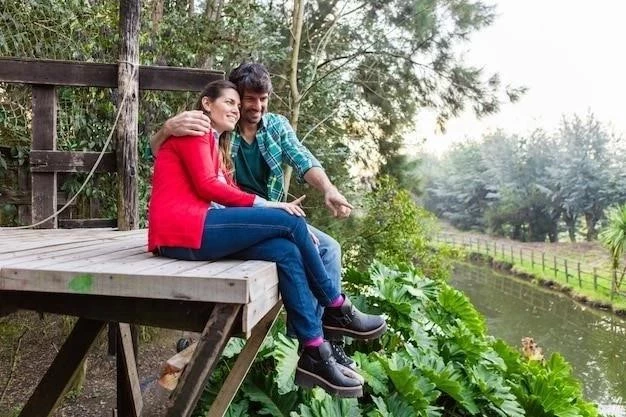
January 11, 2026The Resurgence of In-Person Matchmaking and IRL Dating
A Paradigm Shift in Romantic Pursuit: The year 2025 marked a discernible
transition within the romantic landscape‚ characterized by a widespread
dissatisfaction with conventional application-based dating methodologies.
This phenomenon‚ often termed ‘dating app fatigue’‚ has precipitated a
significant resurgence in the utilization of traditional in-person
matchmaking services and a renewed emphasis on ‘In Real Life’ (IRL)
dating experiences.
Decline of Digital Intermediation: The prevailing sentiment among
singles increasingly reflects a desire to move beyond the superficiality
often associated with profile-based interactions. Data from the State of
Us study‚ conducted by DatingNews and the Kinsey Institute in 2025‚
suggests a correlation between increased app fatigue and a decrease in
the average number of meaningful connections formed through digital
platforms.
The Return to Personalized Services: Consequently‚ professional
matchmakers are experiencing a notable increase in demand‚ as individuals
seek curated introductions and personalized guidance in their romantic
endeavors. This trend indicates a preference for a more bespoke and
considered approach to partner selection‚ prioritizing compatibility and
long-term potential over immediate gratification.
Prioritizing Authentic Connection: The shift towards IRL dating
underscores a desire for authentic interactions and the opportunity to
assess chemistry and compatibility in a more natural and unmediated
environment. This represents a deliberate move away from the curated
representations often presented online‚ fostering a greater emphasis on
genuine connection and shared experiences.
Decline of App-Based Dating
Erosion of User Engagement: Statistical analyses reveal a consistent
decline in active user engagement across prominent dating applications
throughout 2025. This contraction is attributable to escalating levels
of user frustration stemming from algorithmic limitations‚ profile
misrepresentation‚ and the perceived transactional nature of these
platforms. The initial novelty has demonstrably diminished‚ yielding
to a sense of disillusionment among a substantial cohort of users.
Prevalence of ‘Dating App Fatigue’ : The phenomenon of ‘dating app
fatigue’ has emerged as a significant impediment to sustained platform
utilization. Characterized by emotional exhaustion‚ cynicism‚ and a
diminished sense of hope‚ this condition directly correlates with
reduced investment in profile maintenance and diminished responsiveness
to potential matches. This fatigue is a key driver of the observed
migration towards alternative dating modalities.
Increased Scrutiny of Algorithmic Matching: Users are exhibiting
increasing skepticism regarding the efficacy of algorithmic matching
systems. Concerns regarding data privacy‚ algorithmic bias‚ and the
reduction of complex human dynamics to quantifiable metrics are
contributing to a loss of trust in the ability of these platforms to
facilitate meaningful connections. This skepticism fuels the desire
for more personalized and nuanced approaches.
Rise of Professional Matchmakers
Resurgence of Personalized Service: Concurrent with the decline in
app-based dating‚ professional matchmaking services are experiencing
substantial growth. This trend reflects a growing preference for
curated introductions and individualized attention‚ addressing the
limitations of algorithmic matching and the impersonal nature of
digital platforms. Clients seek expertise and discretion in navigating
the complexities of modern romance.
Emphasis on Compatibility Assessment: Reputable matchmaking
agencies employ rigorous assessment protocols‚ encompassing in-depth
interviews‚ personality profiling‚ and lifestyle analyses. This
holistic approach aims to identify deeply rooted compatibility factors
beyond superficial attributes‚ increasing the likelihood of enduring
relationships. The focus is on long-term potential‚ not fleeting
attraction.
Demand for Discretion and Exclusivity: A significant driver of
this resurgence is the desire for discretion and exclusivity. High-
profile individuals and those prioritizing privacy are increasingly
turning to matchmakers to avoid the public scrutiny associated with
online dating. This demand for confidentiality further fuels the
growth of boutique matchmaking firms offering bespoke services.
Emphasis on Experiential Dating
Shifting Focus to Shared Activities: A notable trend emerging in
2026 is the prioritization of experiential dating over traditional
courtship rituals. Singles are increasingly seeking opportunities to
connect through shared activities and immersive experiences‚ fostering
genuine interaction and revealing compatibility in a dynamic context.
This represents a departure from static‚ conversation-focused dates.
Demand for Unique and Memorable Dates: The desire for authenticity
and memorable experiences is driving demand for innovative date
concepts. Workshops‚ culinary classes‚ outdoor adventures‚ and
cultural events are gaining popularity as alternatives to conventional
dinner-and-a-movie scenarios. These activities provide natural
conversation starters and opportunities for collaborative engagement.
Building Connection Through Shared Passions: Experiential dating
facilitates the discovery of shared passions and values‚ providing a
more organic foundation for connection. By engaging in activities
aligned with their interests‚ individuals can assess compatibility
beyond superficial attraction‚ fostering deeper and more meaningful
relationships. This approach prioritizes substance over style.
The Impact of Demographic Shifts on Dating Preferences
Evolving Relationship Paradigms: Demographic shifts are profoundly
influencing contemporary attitudes towards relationships and partner
selection. A growing acceptance of diverse relationship structures
and a delayed timeline for traditional milestones are reshaping the
dating landscape. These changes necessitate adaptability.
Generational Value Systems: Distinct generational values are
driving divergent dating preferences. Younger generations prioritize
emotional intelligence‚ shared values‚ and lifestyle compatibility‚
while older demographics may place greater emphasis on financial
stability and established life paths.
Redefined Relationship Expectations: Traditional expectations
surrounding marriage and family are being redefined. Increasing
numbers of individuals are opting for alternative relationship models‚
such as cohabitation‚ intentional singleness‚ and polyamory‚
reflecting a broader societal acceptance of diverse lifestyles.