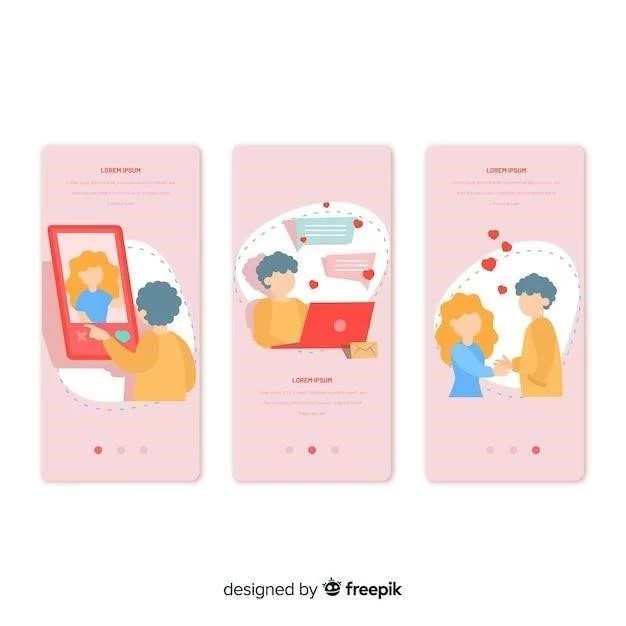
Online Dating for Seniors Finding Connection and Love
February 10, 2026
Match.com Black Friday Dating Deals
February 13, 2026
Online dating has profoundly reshaped how we seek companionship in our digital age․ Once a niche, it’s now mainstream, prompting a crucial question: is it a beneficial path to genuine connection, or does it present more challenges? This article explores the arguments for and against digital romance, helping you decide if it’s a “yes” or “no” for your journey․
The Case for ‘Yes’: Digital Connection
Wider Pool
Online platforms dismantle geographical and social barriers, offering access to millions of potential partners․ This vast pool increases the likelihood of finding someone truly compatible with your specific interests, values, and relationship goals, expanding horizons beyond local confines․
Convenience & Accessibility
The unparalleled convenience of online dating allows browsing, communication, and date-setting from home, fitting into even the busiest schedules․ Accessible 24/7, it’s ideal for professionals or parents, empowering individuals to pursue relationships without significant lifestyle disruptions․
Intentionality & Filtering
Many online users explicitly seek relationships, reducing ambiguity․ Platforms often allow intention specification and use algorithms to filter matches based on shared interests, values, and personality․ This pre-screening saves time, connecting you with closely aligned individuals․
Overcoming Shyness
For those finding initial face-to-face interactions intimidating, online dating offers a gentler entry․ Text-based communication allows careful thought and comfortable expression, building rapport before meeting․ This gradual progression can boost confidence and foster deeper connections․
The Case for ‘No’: Navigating Pitfalls
Deception & Misrepresentation
A significant drawback is the potential for dishonesty․ Users might embellish profiles, use outdated photos, or fabricate details․ Catfishing is a serious concern․ This lack of authenticity leads to disappointment and erodes trust, hindering genuine connection․
Superficiality & Judgment
Online dating often reduces individuals to photos and brief bios․ This visual emphasis fosters a superficial culture where snap judgments are made solely on aesthetics, overlooking deeper qualities․ “Swipe culture” encourages quick decisions based on fleeting first impressions․
Ghosting & Casual Culture
The ease of communication and abundance of choice can lead to a casual dating culture with scarce commitment․ Ghosting – suddenly ceasing communication – is rampant, causing distress․ This environment fosters disposability, challenging stable relationship building․
Safety Concerns
Meeting strangers from the internet carries inherent risks․ While platforms offer safety tips, true intentions or backgrounds aren’t guaranteed․ Personal information can be compromised․ Users must exercise extreme caution, meet in public, and inform friends of whereabouts․
Overwhelm & Fatigue
The sheer volume of profiles and constant self-curation leads to “dating app fatigue” or burnout․ Users feel overwhelmed by choice, leading to indecision or detachment․ The continuous cycle of swiping, matching, and messaging, often without meaningful outcomes, is emotionally draining․
Finding Your Answer: A Nuanced Perspective
Ultimately, whether online dating is a “yes” or “no” depends on individual approach and expectations․ It’s a powerful tool, not a magic solution․ Success hinges on realistic expectations, caution, and genuine effort in vetting matches and communicating authentically․ Resilience and clarity are key․
Neither inherently good nor bad, online dating’s effectiveness is contextual․ For some, it’s a lifeline; for others, a frustrating labyrinth; Its merits include expanding horizons and convenience, while drawbacks involve deception and superficiality․ Personal experiences vary widely․
To navigate this modern landscape, be self-aware, proactive in safety, and discerning․ Online dating can open doors to incredible relationships if approached thoughtfully and cautiously․ Your personal “yes” or “no” will be shaped by your willingness to engage with its unique opportunities and challenges․