Navigating the Unique Landscape of Online Dating in Your 30s
June 18, 2026
The 4-Month Relationship Milestone What It Reveals
June 21, 2026
In the digital world, the quest for companionship and love finds a powerful ally in the “match dating company․” These entities revolutionize how individuals meet, interact, and form relationships, moving beyond traditional methods to embrace technology and sophisticated algorithms․
What is a Match Dating Company?
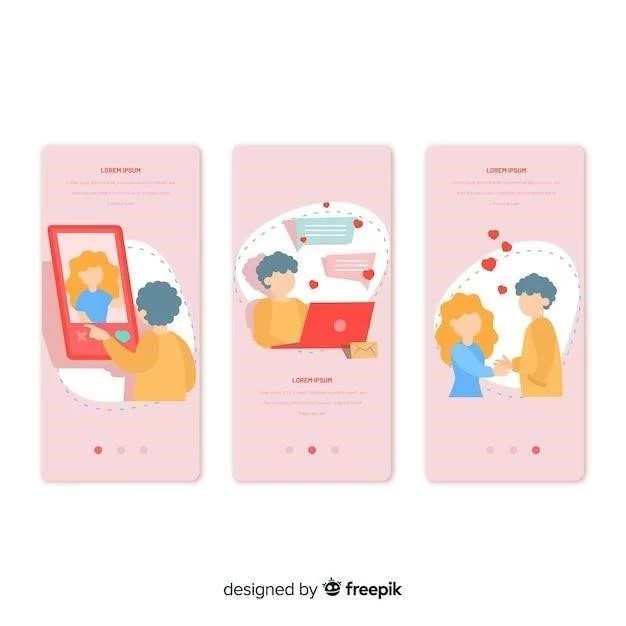
A match dating company provides platforms and services helping individuals find romantic partners․ It facilitates connections by matching users based on shared interests, preferences, demographics, and sometimes psychological profiles․ These companies typically operate via websites, mobile applications, or both, offering a structured environment for dating․
History and Evolution: From Classifieds to Algorithms
Facilitated introductions trace roots to newspaper classifieds and traditional matchmakers․ The internet’s advent in the late 20th century, with sites like Match․com (1995), marked a paradigm shift․ Decades of technological advancements, especially in data science and mobile computing, transformed platforms into sophisticated ecosystems․ Today, AI-driven algorithms analyze vast user data to suggest highly compatible matches, boosting efficiency and personalization․
Core Functionality: How Do They Work?
While features vary, most match dating companies share common operational pillars:
- Profile Creation: Users build detailed profiles with photos, descriptions, interests, and goals․ This forms matching basis․
- Matching Algorithms: Sophisticated algorithms process user data, identifying potential matches, from simple keyword to complex behavioral analysis․
- Communication Tools: Platforms offer interaction methods like messaging, video calls, and virtual dates․
- Safety Features: Reputable companies implement profile verification, reporting tools, and privacy settings for a safer experience․
Types of Match Dating Companies:
The landscape is diverse:
- Generalist Platforms: Cater to broad audiences seeking various relationships (e․g․, Match․com, eHarmony)․
- Niche-Specific Sites: Designed for individuals with particular interests, demographics, or beliefs (e․g․, JDate, FarmersOnly)․
- Elite Matchmaking Services: Involve personal consultants and higher fees, catering to discerning clients for curated matches․
Advantages of Using a Match Dating Company:
- Wider Reach: Access to a larger pool of potential partners than in daily life․
- Targeted Matches: Algorithms filter and present individuals aligned with specific preferences, saving time․
- Convenience: Dating managed from anywhere, anytime, fitting busy lifestyles․
- Safety Features: Many platforms offer tools to enhance user safety and privacy․
Challenges and Criticisms:
- Superficiality: Emphasis on profiles/photos can lead to superficial judgments․
- Catfishing and Scams: Despite measures, fraudulent profiles and scammers remain a concern․
- Data Privacy: Users share sensitive information, raising data security concerns․
- Overwhelm and Fatigue: Many options can lead to indecision or burnout․
The Future of Match Dating:
The industry continues to innovate:
- AI Integration: Advanced AI will offer nuanced matching, personalized suggestions, and conversational assistance․
- Virtual Reality (VR) and Augmented Reality (AR): Immersive virtual dates before meeting in person․
- Hyper-Personalization: Tailored experiences based on deeper psychological insights and behavioral patterns․
Match dating companies have transformed modern romance․ By leveraging technology, they offer unprecedented connection opportunities, making the search for a compatible partner more accessible and efficient․ While challenges exist, their continuous evolution promises an even more integrated, intelligent future for finding love․ Understanding mechanisms and engaging responsibly is key to harnessing their full potential․