Understanding Third Base in Dating
April 3, 2026Dating Business Cards Your Guide to Real World Connections
April 4, 2026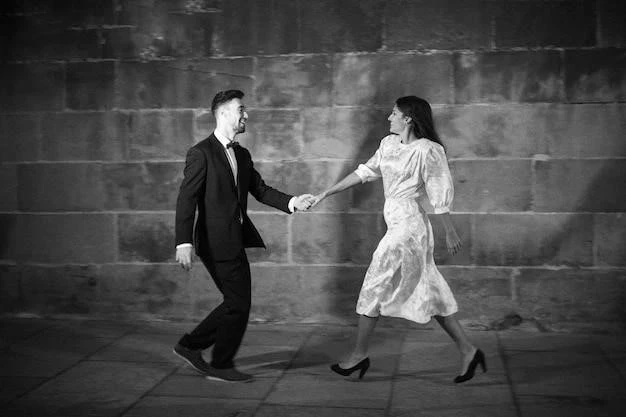
The 1960s‚ a decade synonymous with revolution‚ profoundly reshaped the landscape of love and dating. Traditional courtship rituals coexisted‚ increasingly challenged by burgeoning counterculture movements. Understanding 60s love means exploring a society on the cusp of dramatic transformation‚ where societal expectations‚ gender roles‚ and the very definition of romance were in flux.
The Foundations: Tradition Meets Transition
At the decade’s dawn‚ dating largely mirrored the conservative values of the 1950s. “Going steady” was a prevalent concept‚ often signified by exchanging rings‚ class pins‚ or letterman jackets. This indicated an exclusive relationship‚ a public declaration of commitment‚ often with parental approval. High school proms‚ sock hops‚ and school dances were prime arenas for young love to blossom‚ typically under watchful chaperones. Dates often involved innocent activities like going to the drive-in movie theater‚ sharing a milkshake at a diner‚ or cruising in a car‚ listening to the radio. Phone calls‚ tethered to the wall‚ were crucial for daily communication‚ a far cry from today’s instant messaging.
Gender Roles and Societal Expectations
Gender roles‚ though evolving‚ remained quite defined. Men were generally expected to initiate contact‚ plan dates‚ and pay the bill. Women‚ on the other hand‚ were often expected to be demure‚ maintain a good reputation‚ and focus on domestic skills‚ even if many secretly yearned for more. Parental influence was significant; dating partners often had to meet with parents‚ and curfews were strictly enforced. Premarital sex was largely taboo‚ especially for women‚ carrying significant social stigma; Reputation was paramount‚ and a woman’s “virtue” was closely guarded.
The Counterculture’s Ripple Effect
As the decade progressed‚ fueled by the Civil Rights Movement‚ Vietnam War protests‚ and the burgeoning feminist movement‚ a cultural shift began to permeate dating. The rise of rock and roll‚ folk music‚ and psychedelic art provided a soundtrack to this rebellion. Icons like The Beatles and Bob Dylan influenced fashion‚ thought‚ and offered new narratives of love and freedom. The concept of “free love‚” though often exaggerated and more prevalent within specific counterculture communes and late-decade movements‚ represented a radical departure from traditional monogamous expectations‚ advocating for emotional and sexual liberation.
This shift challenged the notion of marriage as the sole acceptable outcome of dating. Young people began to question societal norms‚ leading to more casual dating‚ less emphasis on exclusivity early on‚ and a growing openness about sexuality. The birth control pill‚ though introduced in the early 60s‚ gradually gained wider acceptance and accessibility‚ offering women unprecedented control over their reproductive choices‚ further impacting dating dynamics by delinking sex from immediate procreation.
Legacy of 60s Love
The 60s laid the groundwork for modern dating. It was a bridge between rigid traditions of the past and the more fluid‚ individualistic approaches we see today. While many traditional elements persisted‚ the decade undeniably sowed seeds of personal freedom‚ questioning authority‚ and evolving gender dynamics that would continue to shape relationships for generations to come. From innocent drive-in dates to revolutionary calls for free love‚ the 60s encapsulate a pivotal‚ complex‚ and utterly transformative era in the history of romance.