True Crime meets Romance: A Critical Review of the Dating Detectives Podcast
December 30, 2025
Social Anxiety and Connection: The Psychology of Attending Live Dating Events
December 31, 2025
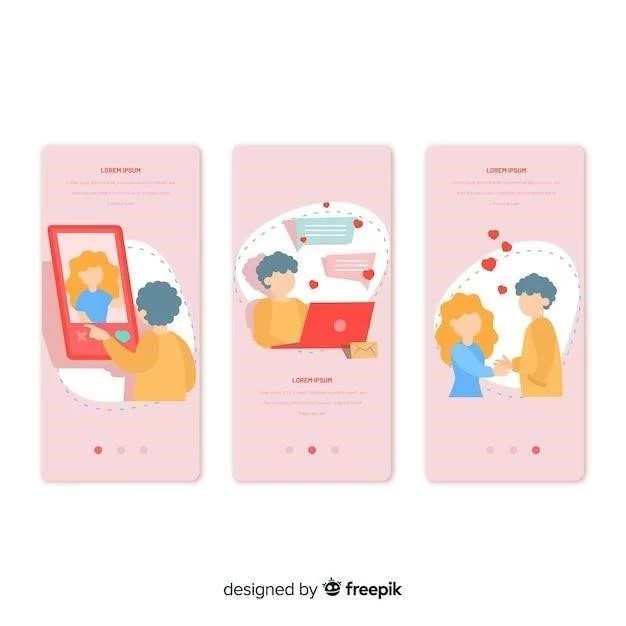
In the evolving landscape of digital romance, dating applications have become ubiquitous, reshaping how individuals connect. Among these platforms, Bumble stands out with a distinctive approach, often dubbed the “feminist algorithm.” Launched in 2014 by Whitney Wolfe Herd, a co-founder of Tinder, amidst a backdrop of widespread dissatisfaction among female users of existing apps, Bumble was conceived with a clear mission: to empower women by putting them in control of the initial interaction. This fundamental design choice directly challenges traditional gender roles, offering a refreshing departure from conventional dating norms.
Understanding Bumble’s Unique Proposition
At its core, Bumble operates on a simple yet revolutionary premise: in heterosexual matches, women must make the first move. Once a match is made between a man and a woman, the woman has 24 hours to initiate a conversation; otherwise, the match expires. For same-sex matches or matches in Bumble BFF and Bumble Bizz modes, either person can make the first move. This critical differentiator transforms the power dynamics inherent in online dating, rebalancing the scales in a landscape often skewed by patriarchal assumptions, which often mirror societal expectations where men are traditionally expected to pursue and women to be pursued.
Challenging the Status Quo: Women in the Driver’s Seat
Reversing Traditional Pursuit Roles
The most immediate and apparent challenge to traditional gender roles lies in the reversal of the pursuit dynamic. Historically, dating culture has placed the onus on men to initiate contact, plan dates, and generally drive the courtship process. Bumble flips this script entirely, placing the power of initiation squarely in women’s hands. This not only empowers women but also encourages them to be proactive and assertive, qualities often discouraged in traditional feminine archetypes. It reframes dating from a passive waiting game for women to an active engagement. This not only cultivates confidence in women but also redefines courtship in the digital age.
Shifting Power Dynamics and Reducing Harassment
By requiring women to make the first move, Bumble aims to create a safer and more respectful environment. A common complaint on other dating apps is the deluge of unsolicited and often inappropriate messages women receive. Bumble’s model inherently filters this, as men cannot initiate contact until invited. This shifts the power dynamic significantly, reducing the potential for harassment and allowing women to engage only with profiles they are genuinely interested in. This control over their inbox contributes to a more positive and less overwhelming user experience. It fosters an environment where women feel respected, rather than inundated with unwanted attention.
Encouraging Intentional Communication
The 24-hour time limit also plays a crucial role in fostering more intentional communication. For women, it encourages them to think critically about their opening message, knowing they hold the key to unlocking a conversation. For men, it cultivates a sense of anticipation and respect, as they must wait to be chosen. This can lead to more thoughtful interactions from both parties, moving beyond superficial pleasantries towards more meaningful engagement, as both users are invested in the potential connection. The pressure to initiate thoughtfully often results in higher quality initial exchanges, setting a better foundation for potential relationships.
Beyond Dating: A Broader Feminist Philosophy
Bumble’s commitment to empowering women extends beyond its dating features. The app also offers Bumble BFF for finding platonic friendships and Bumble Bizz for professional networking. In all these modes, the underlying philosophy remains consistent: empowering users, particularly women, to forge connections on their own terms. This holistic approach reinforces the idea that women’s agency and initiative are valuable across various aspects of life, not just in romantic pursuits. It emphasizes a broader vision of female empowerment that transcends romantic entanglements, extending to professional and social spheres.
Furthermore, Bumble has implemented robust safety features, including photo verification, private detectors for unwanted lewd images, and a strong stance against hate speech and discrimination. These measures further solidify its position as a platform prioritizing user well-being and respect, which aligns perfectly with a broader feminist agenda focused on safety, equality, and bodily autonomy.
Critiques and Nuances of the “Feminist Algorithm”
While Bumble’s model is widely praised, it is not without its nuances and critiques. Some argue that while it empowers women in one aspect, it might still inadvertently reinforce other gender stereotypes or pressures. For instance, the pressure to craft the “perfect” opening line can be daunting for some women. Additionally, while the app shifts the burden of initiation, it doesn’t entirely dismantle the underlying societal expectations around physical attractiveness or the often-superficial nature of initial judgments in online dating.
Another point of discussion is whether the “feminist algorithm” places an unfair burden on women, who are already often tasked with emotional labor in relationships. Some men also express frustration at the inability to initiate, feeling disempowered despite the noble intentions. They may perceive it as an overcorrection that removes their agency, even if the overall goal is greater equity. However, proponents argue that these are minor trade-offs for the significant gains in safety and control offered to women.
Bumble’s “feminist algorithm” represents a significant and largely successful attempt to challenge traditional gender roles within the digital dating sphere. By empowering women to make the first move, it not only creates a safer and more respectful environment but also actively encourages women to embrace agency and assertiveness. While no platform can entirely dismantle centuries of ingrained societal norms, Bumble offers a compelling model for how technology can be leveraged to foster more equitable and empowering interactions. Its influence extends beyond individual matches, subtly shifting perceptions and expectations, paving the way for a more balanced and respectful future for online romance.